10 Essential Tips for Choosing the Right Enterprise Switches
Choosing the right Enterprise Switches is crucial for any organization's network infrastructure. These devices facilitate communication and data transfer between computers and other network devices. The wrong choice can lead to slow networks and costly downtime.
When selecting Enterprise Switches, consider crucial factors such as speed, scalability, and port density. Not all switches fit every business model. You might find yourself overwhelmed by the variety of options available. Rushing the decision can result in regret, especially if the chosen switches cannot handle future demands.
It's essential to understand your business needs before diving into the market. Evaluating factors like budget, size, and current network design will help narrow down your choices. Remember, a switch is only as good as its integration into your existing setup. Missing compatibility could lead to frustrating performance issues. An informed decision will pay off in the long run.
Understanding the Different Types of Enterprise Switches Available
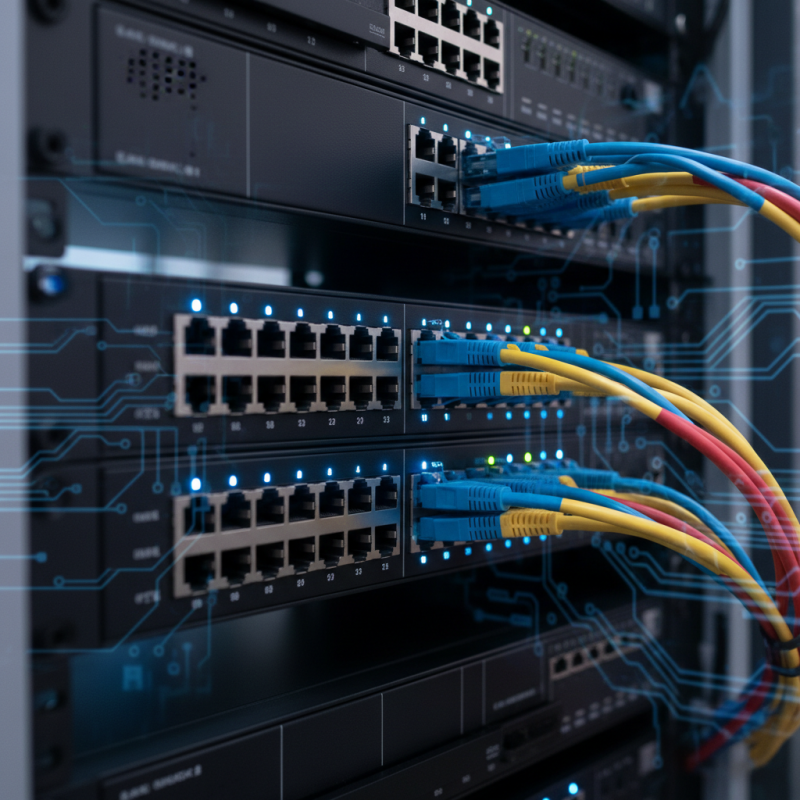
When it comes to enterprise switches, understanding the different types is crucial. There are primarily three categories: unmanaged, managed, and smart switches. Unmanaged switches are simple and cost-effective. They require no configuration but offer limited features. Managed switches, on the other hand, allow for more control and flexibility. They enable VLAN configuration, traffic management, and security features, making them ideal for larger networks.
According to recent industry reports, managed switches dominate the market, accounting for approximately 60% of all enterprise switch sales. Smart switches serve as a middle ground, providing some management features without the complexity of fully managed options. Selecting the right type often hinges on business size and network demands. Smaller firms might find unmanaged switches adequate, yet this decision can limit future scalability.
It's worth noting that the rapid evolution of network technologies can create confusion. Many businesses underestimate their current and future needs, leading to costly upgrades later. Therefore, thorough assessment and strategic planning are imperative. Investing in a suitable switch today can prevent future headaches. This awareness can save both time and resources down the line. Understanding these types and their implications is essential for making an informed choice.
Evaluating Network Size and Scalability Needs for Enterprise Switches
Choosing the right enterprise switches requires careful evaluation of your network size and scalability needs. Begin by assessing your current network setup. How many devices do you need to connect? A small business might only require a few ports, while a larger organization may need dozens, or even hundreds. This analysis is crucial. Underestimating your needs often leads to limitations.
Consider future growth too. Will your network expand in the next few years? Anticipating growth allows you to select switches that meet those expanding demands. Look for switches that offer modularity. This flexibility lets you adapt as your organization changes. It’s easy to overlook this. A short-sighted choice could lead to expensive replacements down the line.
Pay attention to performance metrics as well. Evaluate speed and throughput. Will the chosen switches handle your data traffic efficiently? Sometimes, figures can be misleading. Verify that you’re not sacrificing quality for cost. Ideally, the right switches will support your current needs while still being robust enough for the future. Scaling your network is not just about adding physical ports; it’s about maintaining efficiency and reliability.
Assessing Performance Metrics: Speed, Throughput, and Latency
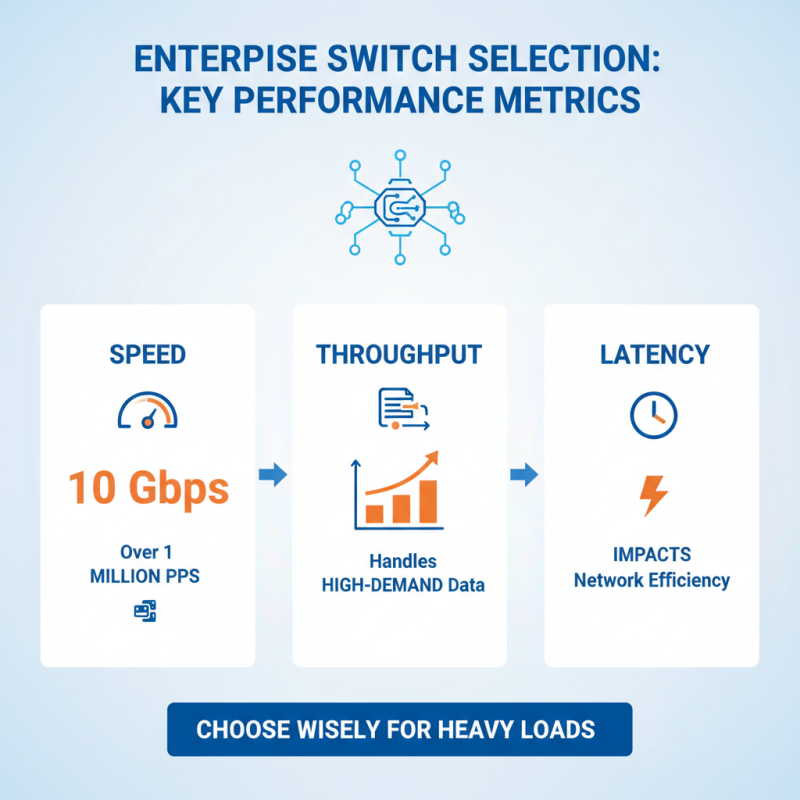
When selecting enterprise switches, performance metrics are crucial. Speed, throughput, and latency directly impact network efficiency. Research shows that a 10 Gbps switch can handle over 1 million packets per second (PPS). This impressive capability suits high-demand environments. However, not all switches achieve similar results under heavy loads.
Throughput indicates how much data a switch can manage effectively. A reliable switch usually maintains a throughput of at least 80% of its rated bandwidth. For example, in a network with 1 Gbps switches, expect around 800 Mbps of actual data throughput. Keep in mind that fluctuations may occur due to network congestion or device limitations.
Latency, the delay before data transfer starts, is another critical factor. An ideal switch offers latency under 5 ms. However, many enterprise switches experience latency that exceeds 10 ms during peak hours. This information is vital for businesses reliant on real-time data transfer. The right balance in these metrics enhances overall network performance and user satisfaction. Understanding these aspects helps in making informed choices that meet specific needs.
Considering Security Features and Compliance Standards in Switches
When selecting enterprise switches, security features are paramount. A recent industry report from Cybersecurity Ventures highlights that data breaches can cost companies an average of $3.86 million. This emphasizes the need for robust security standards in network devices. Choosing switches that support advanced encryption protocols ensures your data remains safeguarded. Look for features like role-based access control or real-time monitoring to enhance security.
Compliance standards like GDPR and HIPAA should guide your switch selection. These regulations mandate strict controls over data handling. Neglecting compliance can lead to severe penalties. Ensure the switches you choose maintain an audit trail and support data integrity checks. This adds a layer of accountability and helps your organization meet legal requirements.
Tip: Prioritize switches that offer automatic firmware updates. Regular updates are essential to mitigate vulnerabilities. Another helpful hint is to look for switches that provide clear technical documentation. Good documentation helps your IT team address security issues promptly. While it may seem overwhelming, understanding these features can significantly impact your network's security posture. The risk of overlooking such essentials could lead to costly errors.
Budgeting for Enterprise Switches: Costs and Long-term Investment Factors
When budgeting for enterprise switches, understanding long-term investment factors is crucial. According to recent industry studies, the average cost of a high-performance switch can range from $5,000 to over $50,000. This variability depends on performance capabilities and features. Organizations should consider not just initial costs but also operational expenses over time. Energy efficiency, for example, can significantly reduce power costs and increase total return on investment.
A common tip is to evaluate potential growth. Many enterprises underestimate their future needs. Switching to a higher capacity model upfront can save costs later. Another important point is maintenance. Regular updates and repairs can creep up on budgets. Some reports indicate maintenance costs can represent 20% of total ownership costs within five years.
It’s crucial to consider scalability when selecting switches. A switch that meets current demands might soon become inadequate. Interestingly, some companies experience unexpected downtime, leading to lost revenue. It’s worth reflecting on whether the chosen equipment can adapt to fluctuating network traffic. This adaptability is vital for long-term success. Balancing upfront expenses with potential future costs often leads to better decision-making.