Why Understanding MVNO Core Network is Essential for Modern Telecommunications?
The Mvno Core Network is a pivotal element in modern telecommunications. According to a report by ResearchAndMarkets, the MVNO market size is expected to reach $100 billion by 2025. As this sector grows, understanding the MVNO Core Network becomes increasingly vital for operators and service providers.
Efficient cost management is often the goal for MVNOs. However, many struggle with the complexities of implementing a robust core network. Recent studies reveal that only 30% of MVNOs utilize advanced core network solutions effectively. This indicates a significant gap in maximizing potential.
Moreover, customer demand for seamless connectivity rises. In a recent global survey, 70% of consumers indicated they prefer flexible, cost-effective mobile plans. If MVNOs do not innovate their core networks, they risk losing market share. A thoughtful assessment of the MVNO Core Network can guide operators in staying competitive and meeting evolving consumer needs.

The Concept of MVNOs and Their Role in Telecommunications
Mobile Virtual Network Operators (MVNOs) play a vital role in modern telecommunications. They lease network capacity from mobile network operators (MNOs) and offer tailored services to customers. According to a recent industry report, MVNOs accounted for over 11% of the global mobile market in 2022. This trend highlights their growing importance in the telecom ecosystem.
By focusing on niche markets, MVNOs can provide unique offerings. For example, some target specific demographics like students or seniors. Others might specialize in particular services such as data-only plans. This diversification allows them to compete effectively with larger carriers. Market analysts predict that the MVNO sector will continue to grow, potentially reaching a value of $100 billion by 2025.
Tip: Understanding the MVNO core network can enhance service delivery. It can help identify gaps and opportunities in the market. Regular training on network management is crucial for MVNO teams.
In the past, some MVNOs struggled with customer service. These challenges impacted user satisfaction. Investing in better call center technologies could address this issue. Fostering a customer-first culture remains essential for long-term success.
Components of MVNO Core Network and Their Functions
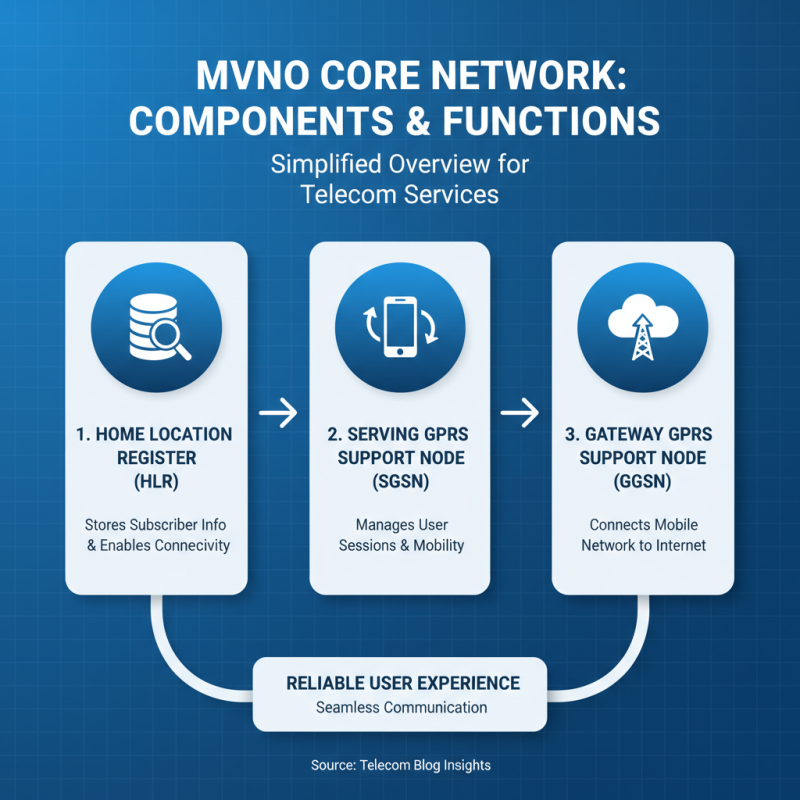
The core network of a Mobile Virtual Network Operator (MVNO) is crucial to its operational success. Understanding its components helps grasp how telecom services function today. Key elements include the Home Location Register (HLR), Serving GPRS Support Node (SGSN), and Gateway GPRS Support Node (GGSN). The HLR stores subscriber information, enabling seamless connectivity. The SGSN manages user sessions and mobility, while the GGSN bridges the mobile network with the internet. These components work together to provide users with a reliable experience.
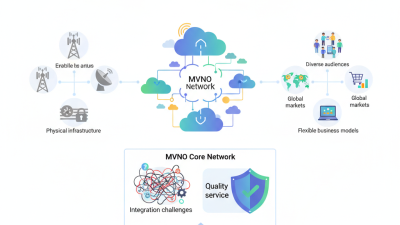
Recent reports indicate that MVNOs are experiencing significant growth. In 2022, MVNOs accounted for approximately 14% of global mobile connections. This highlights their increasing relevance in telecommunications. However, many MVNOs struggle with network integration and service quality. Issues may arise from insufficient investment in technology or inadequate partnerships. Ensuring functionality and performance is challenging in a competitive landscape. Operators must continually adapt to consumer demands and emerging technologies.
Consumer expectations are higher than ever. Speed, reliability, and customer service are essential. An effective MVNO core network is not just about hardware. It involves strategic planning and efficient management of network resources. Operators need to reflect on their capabilities. Without a deep understanding of network components, maintaining service standards can become problematic.
Importance of MVNO Core Network in Service Delivery
The MVNO core network plays a crucial role in modern telecommunications. It acts as the backbone for service delivery. Without it, a mobile virtual network operator would struggle to provide reliable connectivity and value-added services. Understanding this core network is essential for optimizing operations.
Tips: Focus on the key components. Know how signaling, data routing, and user management work together. This knowledge can enhance service delivery efficiency. Many operators face challenges in integrating these elements. Identifying gaps can lead to improved user experience.
The importance of the MVNO core network extends beyond infrastructure. It impacts how quickly new services are launched. A well-designed network can streamline processes. However, operators must continuously evaluate their core capabilities. Ignoring this can result in missed market opportunities.
Tips: Don't overlook system updates. Regularly review performance metrics. Engage with users for feedback. This can unveil areas needing improvement. Challenge yourselves to innovate consistently in service delivery.
Challenges Faced by MVNOs in Core Network Management
Understanding the challenges faced by MVNOs in core network management is crucial. Many MVNOs struggle with limited resources. They often rely on existing infrastructure while trying to innovate. This can lead to a mismatch between capabilities and customer expectations.
An essential challenge is interoperability. MVNOs must ensure their systems can communicate effectively with various partners. This requires rapid integration, which is not always straightforward. Delays can happen, affecting service quality. MVNOs might find themselves unable to provide seamless experiences due to these technical barriers.
Tips: Focus on developing strong partnerships. This can help overcome integration hurdles. Additionally, invest in adaptable technology. It allows for quicker adjustments when facing network issues. Remember, flexibility is key in a fast-changing market. It’s important to assess regularly how your network management strategies align with customer needs. Regular reviews can spotlight areas needing improvement.
Why Understanding MVNO Core Network is Essential for Modern Telecommunications? - Challenges Faced by MVNOs in Core Network Management
| Challenge |
Description |
Impact on Operations |
Mitigation Strategy |
| Network Integration |
The challenge of integrating various network components and protocols due to diverse technologies. |
Can lead to increased latency and reduced service quality. |
Implement standardized APIs and protocols for better interoperability. |
| Cost Management |
Managing costs associated with the infrastructure and technology upgrades. |
Can impede investment in network improvements and expansions. |
Adopt cloud-based solutions to reduce capital expenditures. |
| Regulatory Compliance |
Adhering to industry regulations and government policies for telecom services. |
Risk of fines and legal issues if not properly managed. |
Regular audits and updates to compliance protocols and training. |
| Customer Experience |
Ensuring high levels of customer satisfaction and service reliability. |
Poor experience can lead to churn and brand damage. |
Focus on network performance monitoring and prompt customer support. |
| Technological Evolution |
Keeping up with rapid technological changes and advancements. |
Failure to adapt may result in outdated services and loss of competitiveness. |
Invest in R&D and partnerships with technology providers. |
Future Trends and Innovations in MVNO Core Networks
As MVNOs (Mobile Virtual Network Operators) evolve, their core networks are becoming more sophisticated. Future trends suggest increased reliance on cloud technologies. This shift enables MVNOs to scale operations easily. Cloud solutions allow for better resource management. They can also reduce operational costs and enhance service delivery.
Innovation in MVNO core networks is vital. Enhanced data analytics can improve customer experience. Advanced analytics tools help in understanding user behavior. This understanding allows for personalized service offerings. However, many MVNOs struggle to implement these technologies fully. There are concerns about data privacy and security. Some operators hesitate to adapt quickly, fearing potential risks.
Additionally, the rise of 5G technology presents challenges. It requires rethinking existing network architectures. Not all MVNOs are prepared for this shift. Transitioning may lead to temporary service disruptions. Understanding and planning are essential for success. The future holds promise but also demands careful navigation.
Understanding MVNO Core Network Trends