Choosing where to buy the best Juniper Srx in China requires more than comparing online prices. The right decision connects hardware authenticity, technical support, licensing, and deployment experience. A firewall may look identical in a product photograph. Its warranty status, firmware access, and after-sales service may differ greatly.
Industry data shows why careful selection matters. Verizon’s 2024 Data Breach Investigations Report found that the human element appeared in 68% of analyzed breaches. IBM’s Cost of a Data Breach Report 2024 reported an average global breach cost of US$4.88 million. These findings do not prove that one firewall prevents every incident. They do show why policy control, logging, segmentation, and rapid response deserve serious attention. Juniper SRX can support these capabilities when properly sized and configured.
Zero Trust expert John Kindervag offers a useful principle: “Trust is a vulnerability.” Buyers should therefore verify authorized distribution, serial numbers, support entitlement, and local engineering capability. Ask for a written bill of materials. Confirm whether the quoted appliance includes subscriptions, transceivers, and installation services. A lower quote can become expensive after missing licenses or delayed replacement parts appear. That risk is easy to underestimate.
This guide compares practical buying channels in China, including authorized partners, specialist integrators, and established enterprise suppliers. It considers Beijing, Shanghai, Shenzhen, and nationwide delivery requirements. No supplier is perfect. Product availability changes, and some recommendations may require further verification before purchase. The goal is a defensible shortlist, not a fashionable answer: reliable Juniper Srx equipment, transparent support, and measurable value for real network environments.
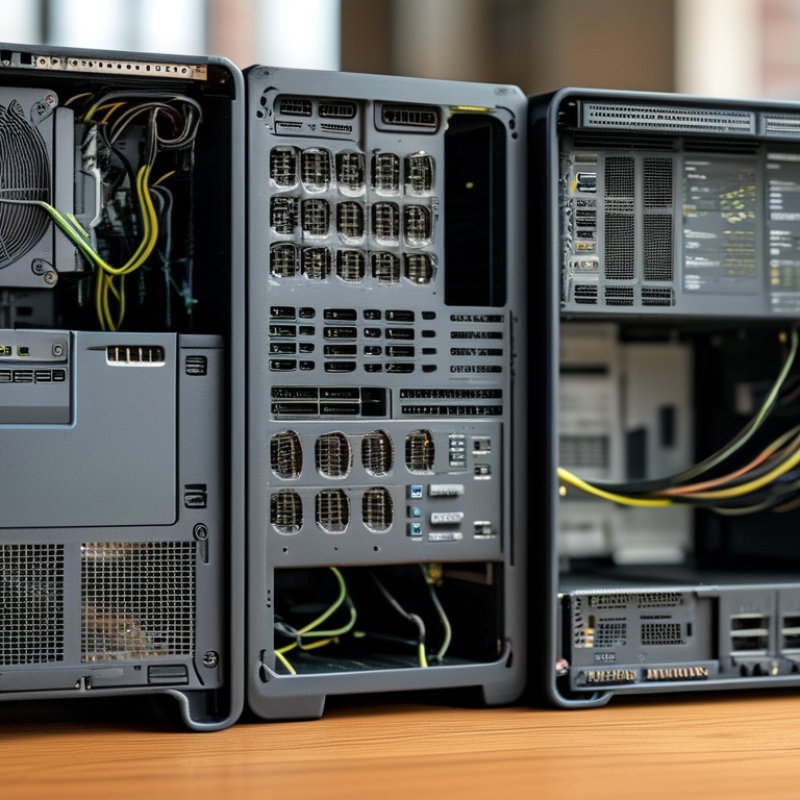
SRX firewalls are designed to control traffic between trusted networks, public services, and remote users. Their main value lies in combining routing, stateful inspection, VPN protection, and intrusion prevention. In a branch office, an SRX device can separate employee laptops, voice systems, guest Wi-Fi, and cameras. Each zone receives different access rules. That structure limits damage when one device behaves unexpectedly.
In a data center, the firewall can protect application servers from unnecessary internal traffic. Administrators may permit HTTPS to a web server while blocking direct database access. Logs show source addresses, ports, session results, and policy decisions. These details support audits and faster troubleshooting.
For remote work, encrypted tunnels connect offices and approved users with controlled access. Strong authentication still matters. A firewall cannot correct weak passwords.
When evaluating an SRX firewall in China, buyers should check throughput under security services, interface types, licensing terms, local technical support, and replacement procedures. A cheaper model may struggle after intrusion prevention is enabled. That mistake is easy to make. Test real traffic before purchase, not only factory specifications.
I would also review update delivery, logging storage, and configuration backup options. In practice, unclear ownership causes more outages than hardware failure. The deployment plan should name who reviews alerts, changes rules, and verifies recovery after an incident.
Selecting a reliable supplier requires more than comparing online prices. Ask for clear product origin, serial verification, and a detailed warranty policy. Experienced suppliers should explain firewall capacity, interface types, licensing, and software compatibility without using vague promises. Request recent customer references from similar industries. A supplier supporting factories, offices, or data centers should understand different network pressures.
Inspect the supplier’s technical process. Can its engineers help with configuration, replacement, and troubleshooting? Ask how quickly they respond when a device fails during business hours. Check whether testing includes power checks, interface inspection, and system resets. Photos of the actual unit can reveal rack damage, missing accessories, or unclear labeling. I have found that rushed sellers often answer well before payment, then respond slowly afterward. That warning deserves attention.
Tips: Compare at least three written quotations. Confirm delivery terms and included accessories. Request a video test for used equipment. Avoid unusually cheap offers without inspection records. Keep every agreement in writing. A capable supplier may admit limitations instead of promising instant solutions. That honesty is valuable. Even careful buyers can miss hidden licensing costs, so review the final invoice line by line before payment.
Buying a genuine SRX firewall in China requires more than comparing online prices. I recommend working with a verified enterprise-network supplier that provides traceable invoices, product serial numbers, and clear warranty terms. Ask for the exact model, hardware condition, firmware status, and original packaging before payment.
Inspect the unit carefully. The chassis should have clean labels, consistent screws, and undamaged ports. Request detailed photos of the serial plate and shipping carton. A reliable seller should explain whether the firewall is new, refurbished, or previously deployed. It should also offer a written testing report, including interface checks, power-on results, and factory-reset status.
Do not trust unusually low prices. They often hide missing licenses, uncertain origins, or limited after-sales support. I once focused too heavily on price and overlooked the warranty period. That decision created delays during installation. A better approach is to compare three quotations and verify each seller’s business registration, warehouse location, technical staff, and return policy. If possible, arrange a live video inspection before shipment. Keep every document. Small details matter. Genuine equipment should arrive with consistent records, secure packaging, and a configuration that matches the agreed specification.
Buying an SRX firewall in China requires more than comparing prices. Ask the seller for the exact model, serial number, manufacturing label, and sales invoice. Check whether the serial number matches the chassis, packaging, and official verification portal. A blurred label or missing invoice deserves attention. Do not rely on product photographs alone.
Warranty terms should be written clearly. Confirm the coverage period, repair process, replacement conditions, and shipping responsibilities. Ask whether the unit is new, refurbished, or previously installed. A reliable supplier should provide a formal warranty document and explain regional limitations. Keep every email, invoice, and inspection record. Small details matter.
Technical support is equally important. Request the support team’s response time, working hours, escalation process, and remote troubleshooting method. Experienced engineers should understand configuration backups, interface logs, security policies, and firmware compatibility. Ask for a sample support procedure before payment.
A practical test call can reveal more than a polished sales promise. Reliable sellers answer specific questions, admit product limitations, and offer clear evidence instead of vague assurances.
Buying a professional SRX firewall in China requires more than comparing online prices. Check whether the seller is an authorized local distributor or a verified enterprise reseller. Request a formal quotation with hardware, software licenses, taxes, shipping, and installation listed separately. A low initial price may exclude security subscriptions or essential support services. That detail can change the final cost considerably.
Configuration should match the site, not the salesperson’s preferred package. A small branch may need fewer ports, moderate VPN capacity, and simple remote management. A data center requires higher throughput, redundant power, stronger inspection performance, and expansion options. Ask for tested figures under realistic traffic conditions. Marketing numbers alone can mislead. I once focused too heavily on port density and overlooked future bandwidth growth. That was an expensive planning mistake.
After-sales service often separates reliable suppliers from ordinary traders. Confirm warranty length, replacement procedures, firmware assistance, and response times in writing. Local Chinese-language support can reduce delays during a night-time outage. Ask whether engineers provide configuration reviews and on-site troubleshooting. Check the supplier’s stock of replacement units inside China. A cheaper firewall is not truly economical if a failed appliance waits weeks for shipment. Also compare annual renewal fees, training costs, and remote support charges. Some buyers ignore these recurring expenses. They should not.