






Cisco unveils AI-ready secure network architecture; next-generation routers and Wi-Fi 7 devices reshape enterprise connectivity.
On November 4, 2025, Cisco, a global leader in networking technology, officially announced a comprehensive upgrade to its enterprise security network architecture at its annual Cisco Partner Summit 2025, simultaneously launching new hardware products including the 8200/8400 series security routers and the CW9171I/CW9174 series Wi-Fi 7 access points. This series of innovative solutions is tailored to the high bandwidth and low latency requirements of distributed workloads in the AI era. Through a three-pronged architecture of hardware performance leaps, AI-driven operational innovation, and enhanced security across all scenarios, it injects core momentum into enterprise digital transformation. It is understood that the new generation of hardware products will be officially available for order in the fourth quarter of 2025, marking a new stage of development for enterprise networks: "AI-native, security-driven, and agile and scalable."
I. Hardware Innovation: High-Performance Equipment Solidifies the Network Foundation for the AI Era
With the large-scale deployment of AI applications, enterprise networks face multiple challenges, including a surge in distributed workloads, exponential growth in bandwidth demands, and continuously increasing latency sensitivity. Cisco's newly launched hardware portfolio is designed with a core philosophy of "performance and security in tandem, flexibility and efficiency," building full-stack connectivity capabilities covering campus, branch, and edge scenarios.
The new 8200/8400 series security routers, an important extension of Cisco's 8000 series router family, are optimized for medium to large-scale campus deployments. They integrate next-generation firewall (NGFW), routing, and SD-WAN functions into a single platform, achieving a streamlined architecture for "one machine, multiple uses." The 8400 series includes two models, the C8455-G2 and C8475-G2, both featuring a 1RU fixed form factor design with a shorter chassis depth for small rack deployments. The port layout and label tray design on the front panel enhance ease of maintenance. In terms of hardware configuration, the C8455-G2 offers eight 1GE SFP ports, two 1/10GE SFP+ ports, and two 10/25GE SFP28 ports, while the high-end C8475-G2 model upgrades to eight 1GE SFP ports, eight 10GE SFP+ ports, and four 25GE SFP28 ports, meeting the bandwidth upgrade needs of enterprises of different sizes. Notably, this series of routers features a new secure network processor that achieves high-speed encryption operations and deep packet inspection through hardware acceleration technology. While providing line-speed forwarding performance, it ensures robust threat protection capabilities, truly achieving "no compromise on performance and no compromise on security."
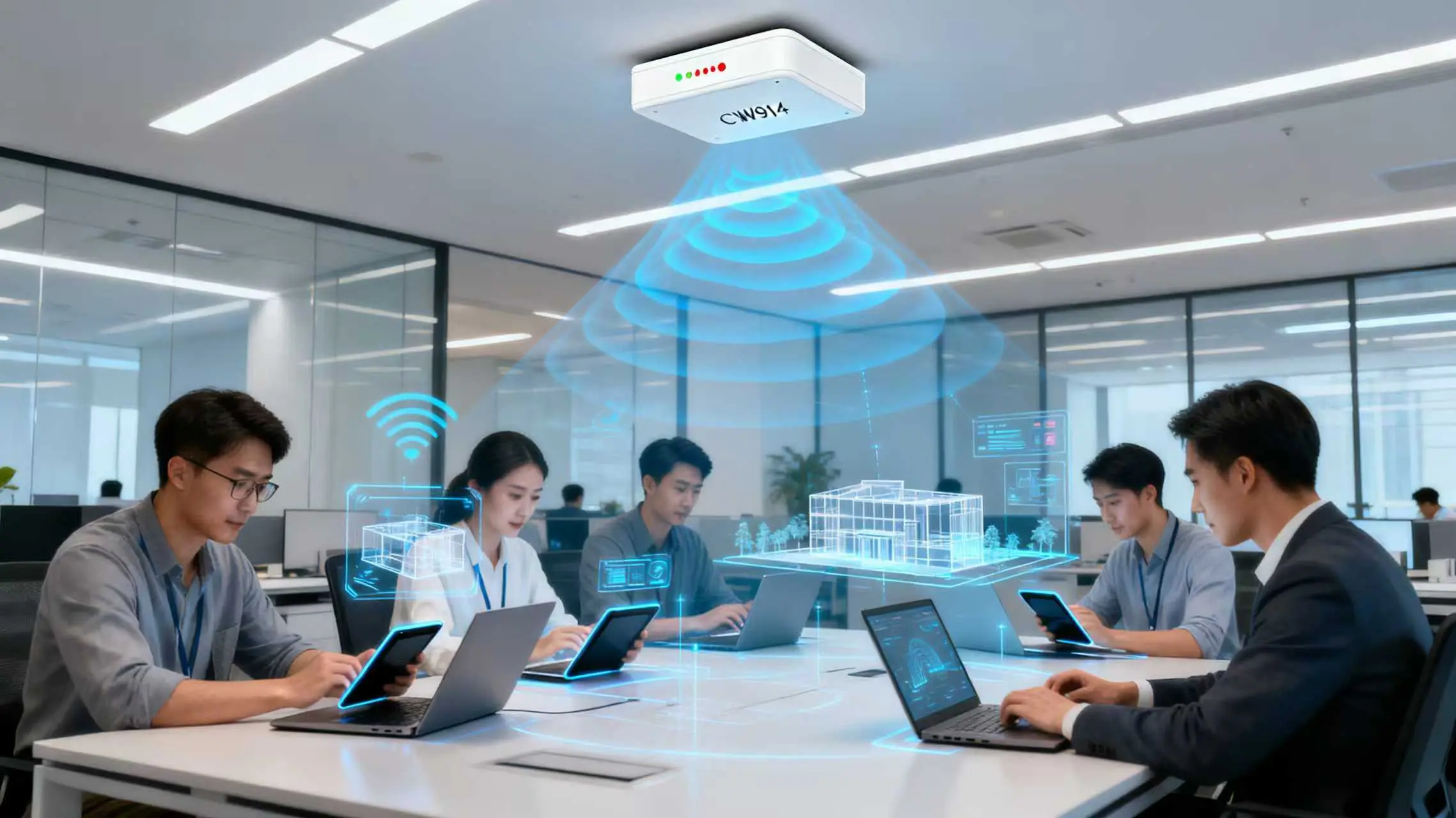
Addressing the evolution of future network security threats, the 8200/8400 series routers incorporate post-quantum cryptography (PQC) technology, which can resist the encryption cracking risks brought by future quantum computing, providing long-term security for enterprise networks. Furthermore, the hardware has been specifically optimized for AI/ML task processing capabilities, effectively offloading the computational pressure of cloud-based AI workloads and enabling faster intelligent decision-making responses, perfectly adapting to the low-latency requirements of distributed AI inference scenarios. At the launch event, a Cisco product manager emphasized, "The new generation of security routers redefines the performance benchmark for campus networks. Their ultra-low latency characteristics can reduce the response time of AI workloads by more than 30%, providing stable support for critical scenarios such as real-time data processing and industrial IoT." In the wireless connectivity field, the launch of the CW9171I and CW9174 series Wi-Fi 7 access points fills the gap in high-end products for low-to-medium density deployment scenarios. As a practical application of the Wi-Fi 7 standard, this series of APs supports concurrent operation on 2.4GHz, 5GHz, and 6GHz bands. Leveraging advanced technologies such as 4096-QAM modulation and Multi-Link Operation (MLO), it achieves a maximum transmission rate of 20Gbps per AP, more than double that of Wi-Fi 6 devices. Meanwhile, its transmission latency as low as 1ms and strong anti-interference capabilities enable it to meet the high real-time requirements of applications such as AR/VR collaborative work, remote medical consultations, and industrial control. Coupled with the newly launched CW9800L wireless controller, this series of APs features intelligent roaming optimization and wireless health monitoring. In the future, it will also integrate the Cisco ThousandEyes proactive testing tool, achieving end-to-end visibility from the terminal to the cloud, significantly improving troubleshooting efficiency.
II. Operational Innovation: AgenticOps Ushers in a New Era of AI Collaborative Management
Addressing the industry pain points of expanding enterprise network scale, increasing device types, and soaring management complexity, Cisco has launched the AgenticOps intelligent operations and maintenance model. This model revolutionizes traditional network operations through an innovative approach that combines AI agents with human collaboration. This model deeply integrates Cisco's proprietary Deep Network Model with advanced automation technologies, achieving an operational transformation from "passive response" to "proactive prediction."
The core advantages of AgenticOps lie in three main scenarios: cross-platform workflow automation, collaborative troubleshooting, and unified network visibility. In terms of workflow automation, the AI assistant can transform traditional manual tasks such as switch migration, Wi-Fi configuration, and device access into automated processes through natural language interaction, covering multiple management platforms such as Meraki, Catalyst Center, and Catalyst SD-WAN Manager. For example, when an enterprise adds a branch office, IT personnel can use simple commands to have the AI agent complete network device deployment, security policy configuration, and interoperability testing within minutes, based on Cisco Validated Designs. This is over 90% more efficient than traditional deployment methods and significantly reduces the risk of human configuration errors.
Collaborative troubleshooting is achieved through the AI Canvas intelligent workspace. This platform integrates real-time network telemetry data, AI analysis insights, and cross-team collaboration tools, enabling NetOps, SecOps, and application teams to work collaboratively with the AI agent to locate the root cause of cross-domain problems within seconds through natural language queries. For example, when users report slow application access, AI Canvas can automatically correlate network latency, device load, security policies, and other multi-dimensional data to generate a visual analysis report and provide optimization suggestions, reducing the Mean Time To Repair (MTTR) by 60%. Currently, AI Canvas is in Alpha testing and is expected to be commercially available in the first quarter of 2026.
The realization of unified network visibility is thanks to the new "Global Overview" feature in the Meraki Dashboard. This feature breaks down the management barriers between cloud and on-premises networks, enabling IT personnel to view and manage network resources jointly managed by Catalyst Center and Meraki through a single console, achieving integrated operation and maintenance of campus, branch, and cloud networks. It is understood that the "Global Overview" feature will launch its beta version in November 2025 and officially go live in the fourth quarter. Simultaneously, a cloud-managed fabric will also be launched for testing. This fabric simplifies the configuration and troubleshooting process for large sites through an adaptive segmentation strategy and is expected to be fully available in the first quarter of 2026.
III. Security Enhancement: Identity-Driven Architecture Builds a Zero-Trust Protection System
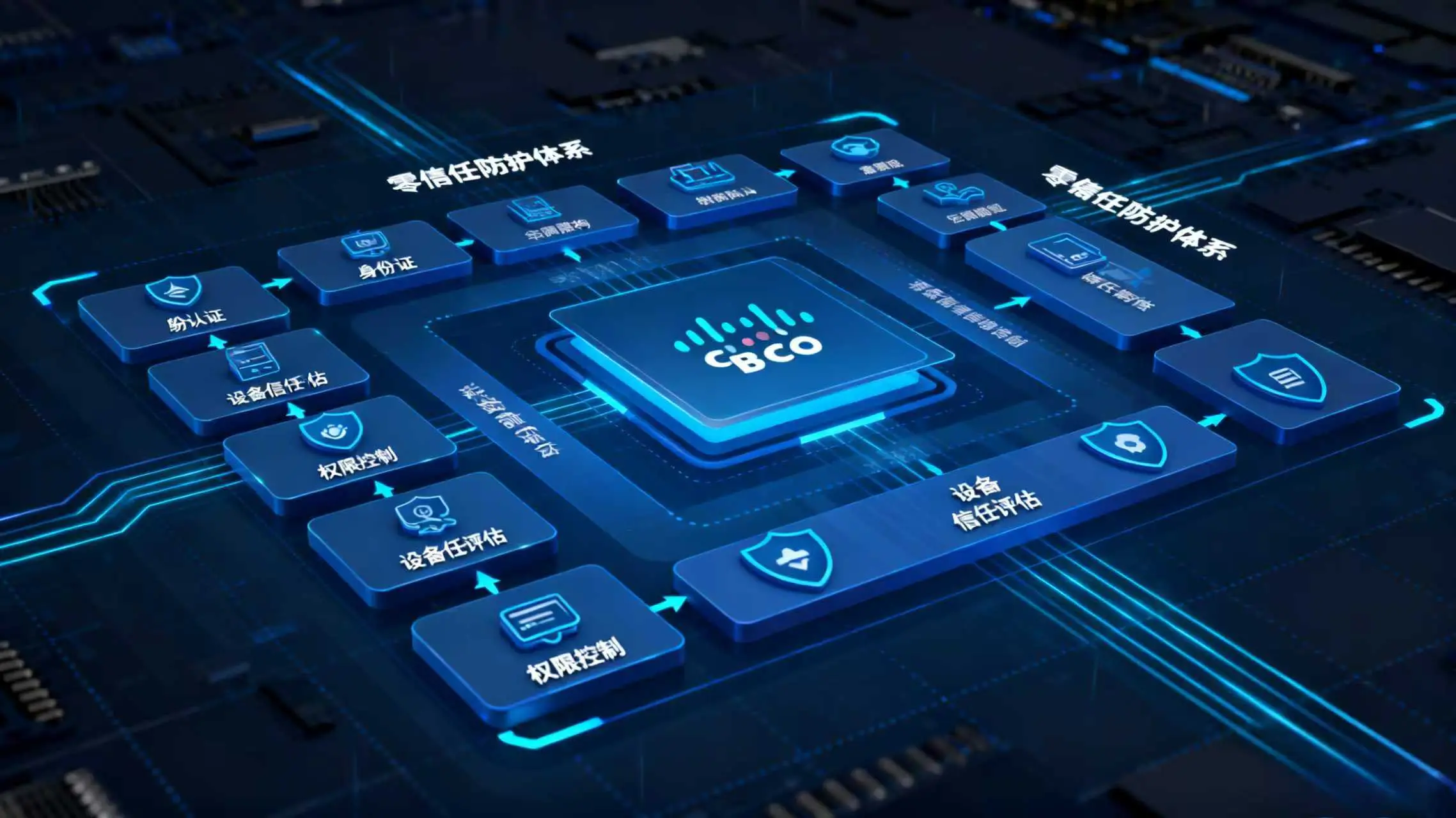
During digital transformation, enterprise network boundaries continue to blur, and traditional boundary-based security models are no longer sufficient to address emerging threats such as identity theft, shadow AI, and supply chain attacks. Cisco's newly launched identity-driven cloud management architecture, centered on the Cisco Secure Access Zero-Trust solution, integrates Access Manager identity access control functionality to build a comprehensive security protection system covering campuses, branches, and the cloud.
As a cloud-native security service edge (SSE) solution, Cisco Secure Access is based on the core zero-trust principle of "default denial of access." It achieves least privilege access control to internal resources through multi-dimensional contextual assessment of user identity, device status, and environmental trust levels. Unlike traditional VPNs, its Universal Zero-Trust Network Access (UTNA) feature ensures that users can only access authorized applications, not the entire internal network, effectively reducing the risk of lateral movement attacks. This solution supports flexible deployment in the cloud and on-premises, providing various traffic routing and policy enforcement options to optimize access performance while ensuring security.
To address the security challenges brought about by the rapid proliferation of generative AI, Cisco Secure Access has added Shadow AI Detection and Control capabilities. This feature identifies unauthorized AI applications and model usage within enterprises, balancing AI productivity gains with data security risks. Simultaneously, the policy impact analysis tool proactively assesses the potential impact of security policy changes, reducing service interruptions caused by configuration errors. Notably, Cisco Secure Access has achieved FedRAMP certification, meeting the needs of US government agencies and enterprise customers with high compliance requirements. It also achieved the highest AAA rating in SE Labs' first general ZTNA test, demonstrating its technological leadership.
Identity security, as the core of the zero-trust architecture, achieves anomaly detection and attack prevention through deep integration with Duo two-factor authentication and identity intelligence technologies. For example, when the system detects abnormal user login behavior (such as login from a different location or mismatched device), it can automatically trigger multi-factor authentication or access blocking to prevent security breaches caused by identity theft. Furthermore, this architecture supports seamless integration with existing enterprise identity management systems, simplifying user lifecycle management and access control processes and reducing IT operation and maintenance costs.
IV. Industry Impact: Empowering Enterprises to Unleash the Value of AI and Leading the Evolution of Network Technology
Cisco's newly released AI-ready secure network architecture is not merely a product upgrade, but also a profound insight and forward-looking strategy for enterprise network needs in the AI era. According to IDC's latest forecast, by 2026, 75% of enterprise AI projects will fail to achieve their expected value due to insufficient network performance or security risks. Cisco's innovative solutions specifically address this pain point.
In enterprise application scenarios, the combination of next-generation hardware with intelligent operations and maintenance and zero-trust security will generate significant synergies: For manufacturing enterprises, ultra-low latency networks and edge computing capabilities can support applications such as industrial AI quality inspection and predictive maintenance of equipment; for financial institutions, post-quantum encryption and zero-trust access can ensure the security and compliance of transaction data; for the healthcare industry, the high speed and low latency of Wi-Fi 7 can support critical businesses such as remote surgery and AI-assisted diagnosis; for educational institutions, stable distributed networks can enable large-scale online teaching and virtual laboratory access.
A Cisco Global Vice President and General Manager of the Enterprise Networking Business Unit stated, “AI is reshaping every industry, and as the core of digital infrastructure, the network must possess AI-native capabilities to support this transformation. Our goal is to help enterprises translate AI potential into real business value by simplifying network complexity, strengthening security resilience, and improving agility.” At the partner level, Cisco empowers channel partners to quickly provide customized solutions to customers and accelerate the market deployment of innovative technologies by providing automation toolkits and validated design solutions.
Market research firm CRN points out that Cisco's newly launched product portfolio precisely addresses the core needs of the mid-to-high-end enterprise network market. The combination of the 8200/8400 series routers and Wi-Fi 7 APs will further solidify its leading position in the campus network field, while the innovations of AgenticOps and zero-trust architecture are expected to redefine enterprise network operations and security standards. With the deepening of digital transformation, the convergence of AI and networks will become a core trend in industry development, and Cisco's launch may trigger a new wave of technological upgrades in the industry.
In conclusion, in today's era of rapid AI technology adoption and increasingly complex cybersecurity threats, Cisco's upgraded security network architecture, centered on "AI Ready," not only demonstrates its full-stack technological strength in network hardware, software, and services, but also highlights its strategic vision in leading industry development. The launch of the new generation of routers and Wi-Fi 7 devices, coupled with AgenticOps intelligent operations and zero-trust security systems, will help enterprises build faster, more secure, and smarter digital infrastructure, enabling them to seize the initiative in the wave of digital transformation. With product orders officially opening in the fourth quarter of 2025, this network technology revolution is imminent, and the future intelligent and secure development of enterprise networks is something to look forward to.