




Nvidia invests $1 billion in Nokia to jointly drive 6G development.
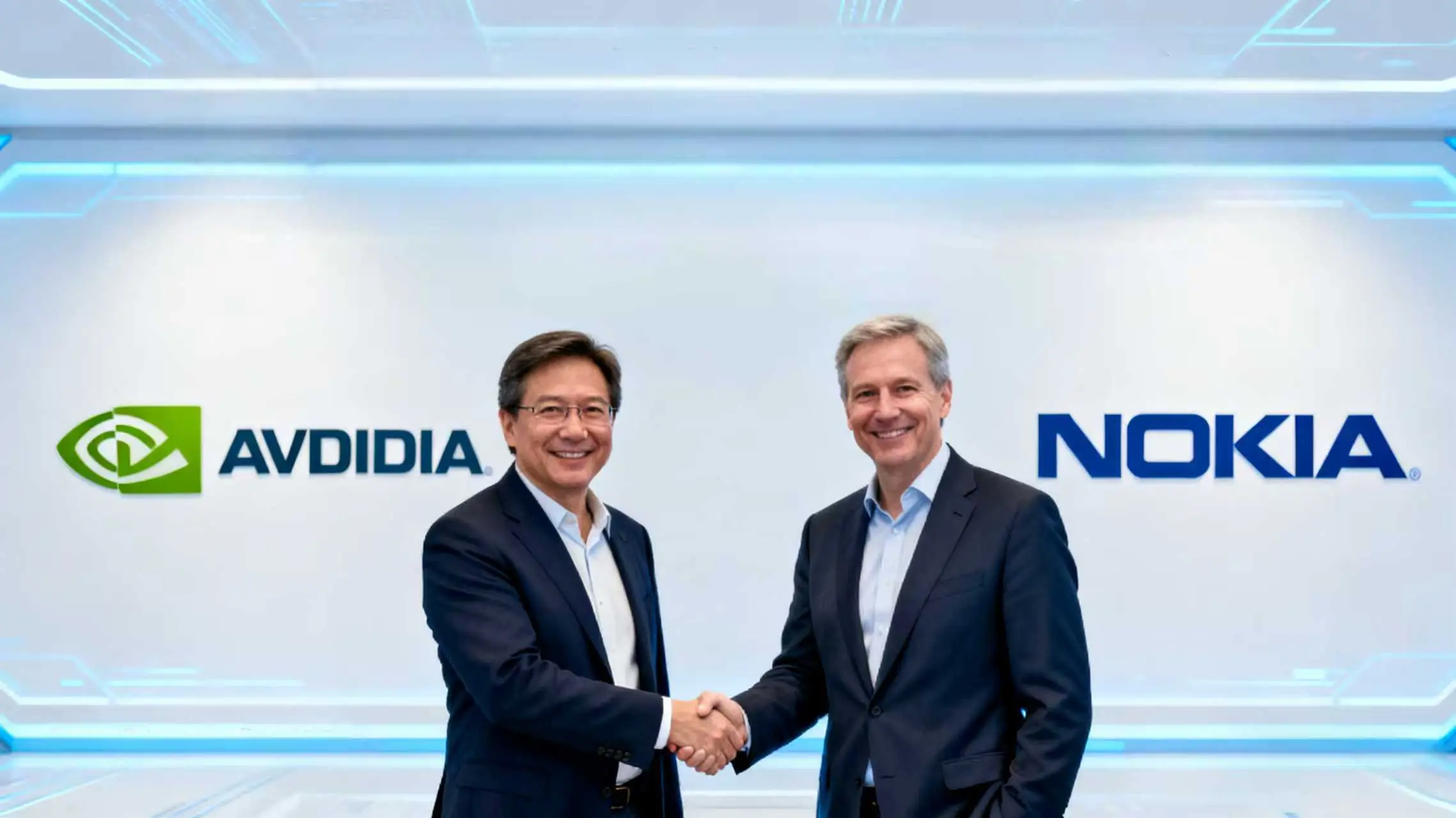
Recently, Nvidia CEO Jensen Huang announced that Nvidia will acquire a 2.9% stake in Nokia for $1 billion and establish a deep strategic partnership with Nokia. This move has attracted widespread attention in the global technology and communications industry, with the alliance between the two giants expected to bring about significant changes in the future development of communication technology.
According to Nokia's official announcement, Nvidia will subscribe to 166.39 million new shares at $6.01 per share in a private placement. After the transaction, Nvidia will become approximately 2.9% of Nokia's shareholder. Following the announcement, Nokia's stock price surged 22%-30% in a single day, reaching a near ten-year high, and its market capitalization increased by over $10 billion in a single day.
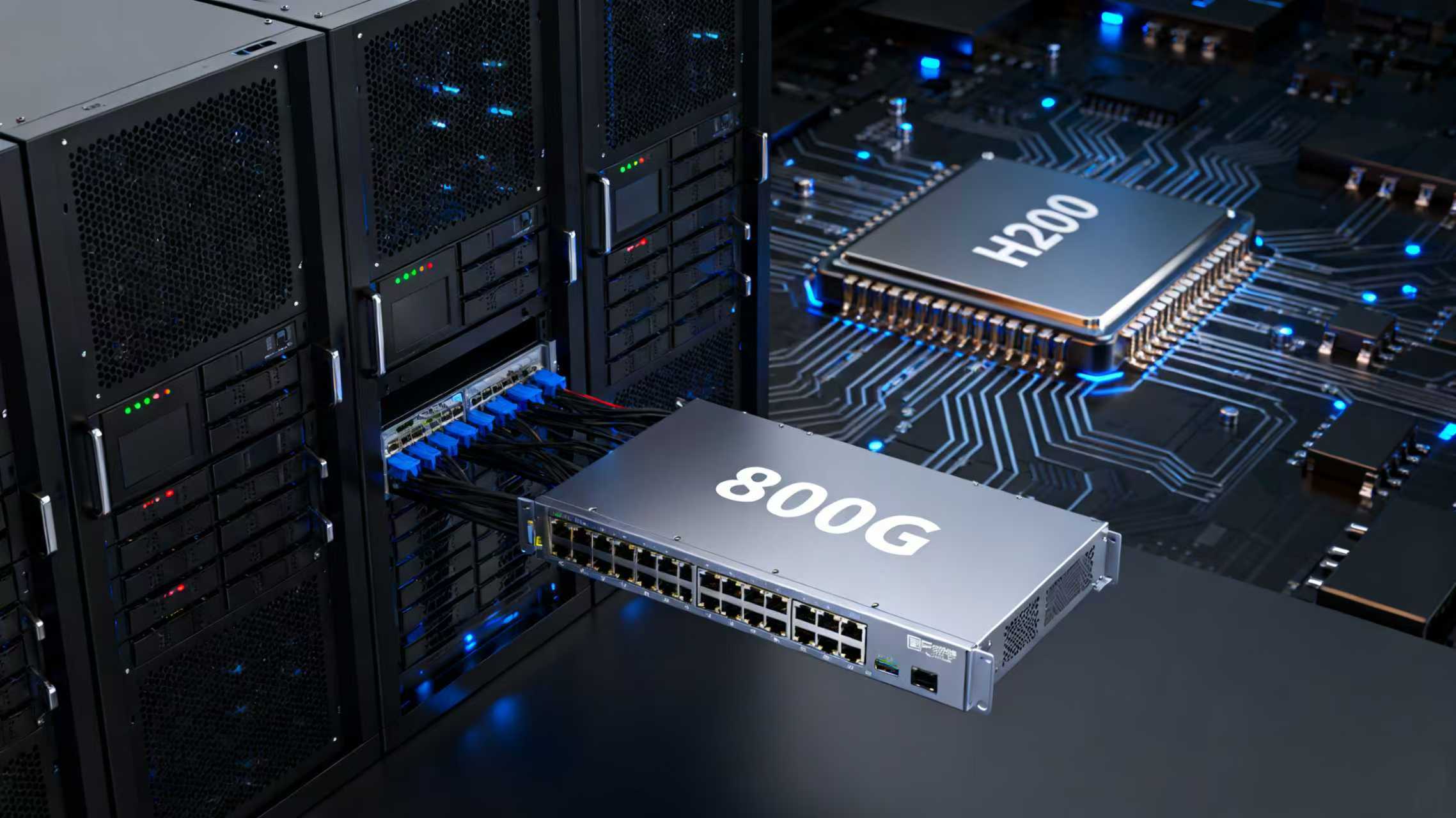
The core of this cooperation lies in the two companies integrating CUDA and artificial intelligence technologies through the AI-RAN (Artificial Intelligence Radio Access Network) platform to jointly promote the development of 6G standards. Nvidia will bring its "AI Data Center" computing platform down to the communication access network, supporting Nokia in running its 5G/6G RAN software on Nvidia hardware architecture, and jointly developing AI-native RAN and edge network infrastructure.
Jensen Huang stated that Nokia possesses 7,000 core 5G patents, while there are millions of base stations worldwide. This collaboration will leverage new technologies to transform industries through accelerated computing and artificial intelligence. NVIDIA's newly launched Aerial RAN Computer Pro (ARC-Pro) comprises three new technologies: Grace CPU, Blackwell GPU, and Mellanox ConnectX network solutions. Nokia will adopt NVIDIA-ARC as its future base station architecture, and NVIDIA-ARC is also compatible with Nokia's current AirScale base station system.
US telecom operator T-Mobile will collaborate with Nokia and NVIDIA to promote and test AI-RAN technology as part of 6G development, with trials scheduled to begin in 2026. Furthermore, NVIDIA and Nokia will collaborate on developing AI network solutions, including using Nokia's SR Linux software for data center switching on NVIDIA's Spectrum-X Ethernet network platform, and applying Nokia's telemetry and architecture management platform to NVIDIA's AI infrastructure.
Nokia also stated that this collaboration marks the beginning of the era of AI-native wireless, laying the foundation for supporting AI-driven consumer experiences and enterprise services at the edge. Nokia will leverage this investment to accelerate its strategic plans and expand its role in the AI and cloud markets within network infrastructure.
Why was Nokia chosen by Nvidia in this strategic move? Industry analysts believe that with the peak of 5G over, the wireless communication network equipment market is leveling off, and Nokia needs to find new growth drivers. This year, Nokia has restructured its organization, establishing AI as its core strategic direction and promoting the full integration of network, cloud, and AI. Nokia has strong advantages in optical communication and networking, allowing for complementary strengths with Nvidia.
Nvidia has long been a leader in GPUs and AI accelerators. Its next phase involves not only providing "training/inference computing power" but also building a complete AI infrastructure "from data center to edge." However, Nvidia has previously had limited involvement in areas such as network infrastructure, edge access, RAN networks, and optical communication. Nokia's technological strengths in telecom access, data center interconnects, and optical communication equipment align perfectly with Nvidia's ambition of "computing power + network + applications."
In fact, NVIDIA has repeatedly mentioned its AI development and applications in the communications industry at the GTC conference. For example, last November, NVIDIA's Grace Blackwell platform was acquired by SoftBank, and the two companies successfully built the world's first AI-enabled radio access network that simultaneously supports AI and 5G workloads.
AI-RAN is a new type of network that global telecom operators are actively building in the next stage. According to Omdia's estimates, the cumulative size of the AI-RAN market is expected to exceed $200 billion by 2030. In the future 6G era, GPUs will have even greater applications because 6G is an AI-native radio communication technology, which inevitably involves some AI computational processing. Nokia and NVIDIA are building systems capable of processing AI workloads at the network edge, which can reduce latency and improve the performance of users running AI applications on their phones.
This collaboration is also seen as an important strategic move for NVIDIA to fully transform from a "GPU dominance" to an "AI ecosystem builder." Through its cooperation with Nokia, NVIDIA can embed its GPU/network acceleration platform into the radio access network (RAN) and telecom infrastructure, thereby achieving a closed loop of "computing power-network-application". Meanwhile, Nvidia is leveraging Nokia's channels to penetrate the telecom operator ecosystem, thereby opening up application scenarios for its AI hardware/network platforms.
Furthermore, Nvidia's move is also seen as a countermeasure against competition from tech giants like Microsoft and Google. In recent years, Microsoft and Google have begun to strengthen their self-developed AI chips. By investing in network equipment manufacturers and building a network ecosystem, Nvidia is locking in a broader value chain of "computing power + network + converged applications," thus moving beyond being just a single chip supplier to becoming a supplier of underlying infrastructure platforms, enhancing its long-term competitive advantage.
From an industry-wide perspective, the collaboration between Nvidia and Nokia will accelerate the restructuring of the global communications industry chain. Technological dividends and geopolitical competition coexist, and Chinese companies need to find a new balance between independent innovation and ecosystem openness. In the future, as the cooperation between the two parties deepens and AI-RAN technology and 6G standards are developed, we can expect to see more innovative applications and services emerge, bringing a more convenient and efficient communication experience to global users.