




U.S. Chip Ban Triggers Global Supply Chain Reconfiguration: Ascend Ecosystem Accelerates Diversified Layout
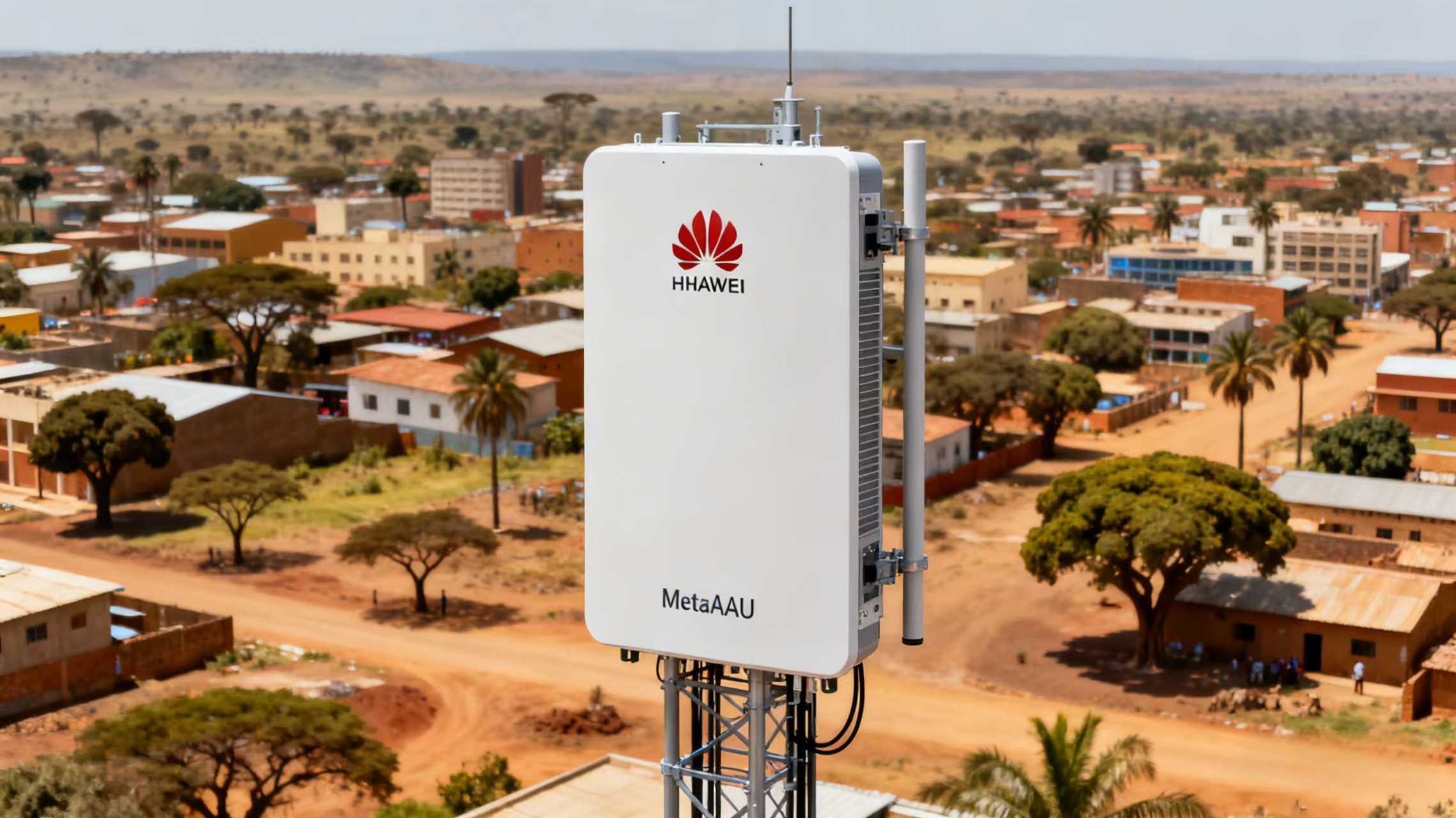
In May 2025, the U.S. latest ban on Huawei's Ascend chips sent shockwaves through the global semiconductor supply chain. While short-term impacts are evident, this unilateral sanction is accelerating a "decentralized" restructuring of supply chains. Huawei, through technological breakthroughs and diversified market strategies, is collaborating with Belt and Road partners to build an independent ecosystem, while tech enterprises in Europe, the Middle East, and other regions are voting with actions, refusing to be pawns in geopolitical games.
Short-Term Turbulence and Regional Market Divergence
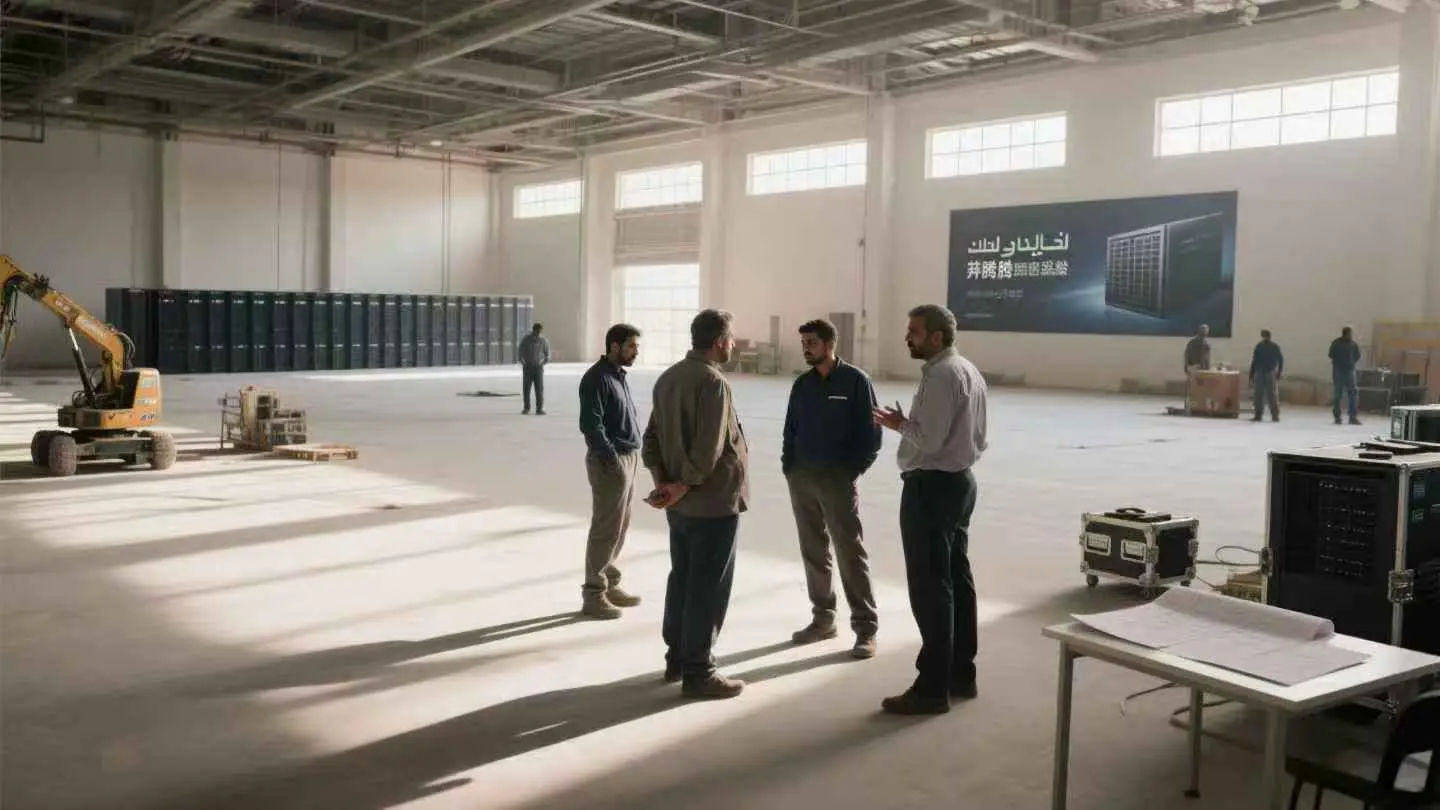
The U.S. Department of Commerce’s May 18 ban requiring global entities using Ascend 910B chips to report to the U.S. directly impacted Huawei’s key projects in the Middle East. The NEOM smart data center project in Saudi Arabia, planned to deploy 50,000 Ascend servers, was put on hold. A local partner 坦言 (frankly stated), "This is a technological yoke imposed on the Middle East by the U.S." However, such disruptions have not triggered a chain reaction; instead, they have exposed global supply chains’ resistance to single-power hegemony.
In Europe, the penetration rate of Ascend chips has risen counter-cyclically. France’s National Supercomputing Center (GENCI) announced the addition of 2,000 Ascend servers for climate simulation and biomedical research, while Deutsche Telekom signed an agreement with Huawei to deploy Ascend 910B clusters in its Frankfurt AI lab. Data shows that Ascend chips held 12% of Europe’s AI server market in Q1 2025, up 7 percentage points from the previous year. The head of the European Digital Industry Alliance noted, "We need diverse technology suppliers, not to be held hostage by the political orders of a single country."
Technical Standard Export Under the Belt and Road Initiative
Facing external pressure, China is promoting the globalization of technical standards through the Belt and Road Initiative (BRI). In Southeast Asia, the Penang Intelligent Computing Center jointly built by Huawei and Malaysia Telecom (TM) has been operational, supporting local smart city initiatives with a full Ascend architecture. In Central Asia, the Uzbekistan Academy of Sciences introduced Ascend servers to form a national AI research platform, becoming the first country in Central Asia to achieve computing power autonomy.
The breakthroughs in Huawei’s "Pangu Architecture" and the Chinese Academy of Sciences’ "Loongson IP" have become key pillars of supply chain restructuring. Huawei’s self-developed Pangu chip architecture is now compatible with 70% of global AI frameworks, while Loongson Zhongke’s LoongArch instruction set has achieved full-process localization from design to verification. Data shows that the localization rate of China’s chip design toolchain (EDA) has reached 85%, completely shaking off dependence on U.S. firms like Synopsys. This establishment of "technological sovereignty" allows BRI countries to see the possibility of breaking free from technological dependency.
Construction of an Independent Ecosystem and Global Response
At the Hannover Messe in Germany, Huawei’s "Ascend + HarmonyOS" industrial internet solution attracted over 200 European enterprises for cooperation talks. The system achieves full-stack localization from chips and operating systems to industrial software, praised by the German Mechanical Engineering Association as "a milestone in breaking U.S. technological monopoly." Meanwhile, the number of overseas developers in the open-source OpenHarmony community has exceeded 500,000, forming active technical communities in Southeast Asia and Africa.
Supply chain restructuring is also reflected in "de-geo 化" (de-geo localization) of production. SMIC’s 12-inch wafer fabs in Shenzhen, Shanghai, and Beijing are operating at full capacity for Ascend chip production, while TSMC’s Nanjing plant has achieved 16nm process foundry support for Ascend chips through technical upgrades. This "domestic-based, overseas-supplemented" capacity layout not only mitigates geopolitical risks but also provides diversified choices for global supply chains.

Collision Between Hegemonic Logic and Market Laws
The U.S. attempt to maintain technological hegemony through bans has ignored the power of market laws. Saudi Aramco quietly signed a "technical consulting agreement" with Huawei to continue obtaining Ascend chip upgrade services while circumventing the ban. India’s Tata Group announced a $1 billion investment to build an Ascend-based AI R&D center in Bangalore. These cases show that technology’s value is ultimately defined by the market, not political orders.
EU Commissioner for Trade Valdis Dombrovskis recently stated, "Europe will not take sides between China and the U.S.; we need to ensure our own technological sovereignty." This stance resonates with global tech firms—NVIDIA was forced to delay the launch of new cards for the Chinese market but admitted in its earnings report that "losing Ascend customers will lead to a 15% revenue loss over the next three years." Market forces are reshaping the supply chain landscape, allowing technological cooperation to transcend ideological barriers.
As U.S. bans become a "negative textbook" for tech globalization, Huawei Ascend’s diversified ecosystem has outlined a new vision for future supply chains: a global system rooted in technological autonomy, driven by market demand, and tied by multilateral cooperation. This supply chain restructuring triggered by bans will ultimately become a historical turning point from unipolar hegemony to multipolar coexistence.