








White House Criticizes Amazon for Marking Tariff Costs as U.S. Tariffs Impact Economy
White House Criticizes Amazon for Marking Tariff Costs as U.S. Tariffs Impact Economy
Local time on April 29, White House Press Secretary Levitt strongly criticized Amazon's announcement that it would mark the additional costs of goods resulting from Trump's tariff policies, calling it a "hostile political act." Previously, there were reports that Amazon planned to clearly show the proportion of tariff amounts next to the marked prices of goods. This measure aimed to visually demonstrate to American consumers the impact of tariffs on prices. However, an Amazon spokesperson later clarified to CNBC that the company was only considering displaying tariff fees on some products in the ultra - low - price shopping section, Amazon Haul, and not implementing it across the entire platform.
The negative impacts of a series of U.S. tariff measures on its domestic economic activities are gradually emerging. Data from e - commerce analytics firm SmartScout shows that since April 9, the prices of 930 products on the Amazon platform have increased. Among them, the average price increase in categories such as clothing and jewelry has reached 29%. The price adjustments of the fast - fashion giant Shein are even more astonishing, with price increases of some products as high as 377%. Bloomberg statistics show that the average price of the top 100 popular products in Shein's beauty and health category increased by 51% compared to April 24, and the average price increase in home and kitchen supplies and toys was approximately 30%.
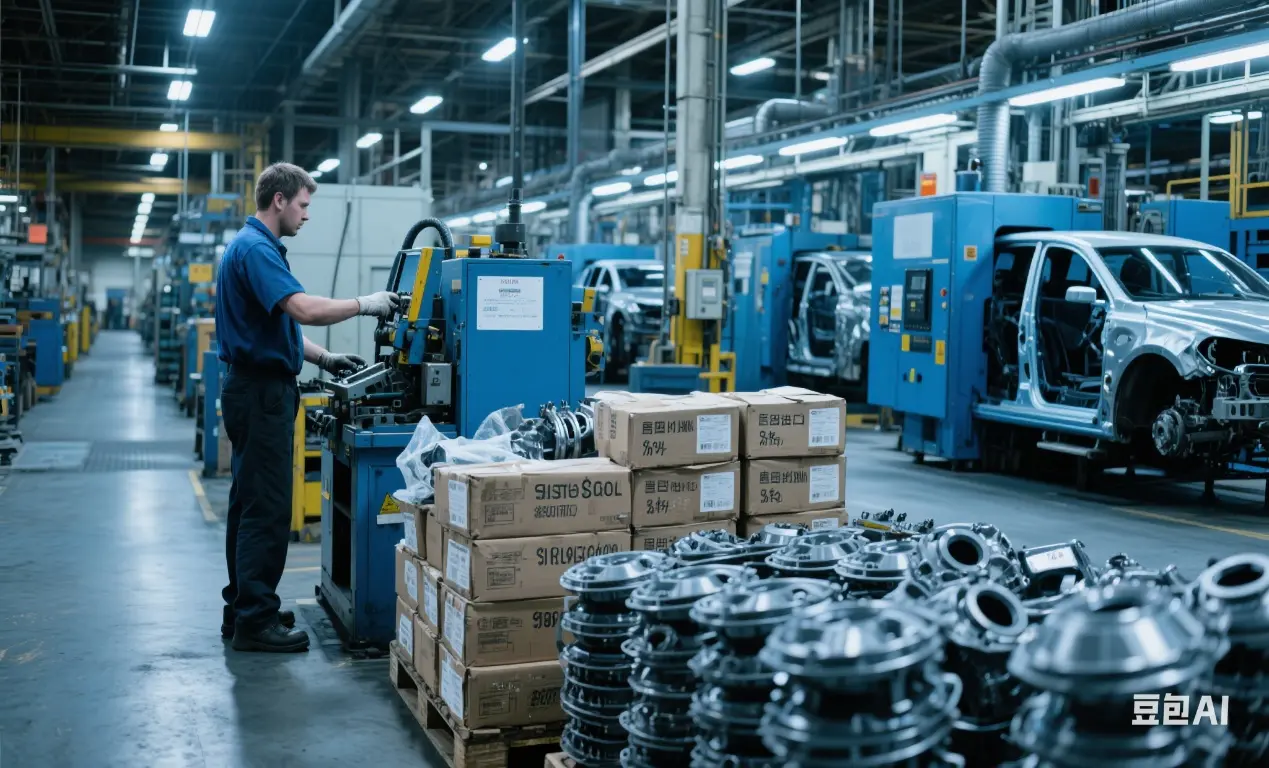
Moreover, the U.S. manufacturing industry has also been severely affected. The National Association of Manufacturers (NAM) stated that due to the soaring raw material costs caused by steel and aluminum tariffs, the production costs of U.S. manufacturing enterprises have increased significantly. Many small manufacturers have had to cut production capacity or even close down due to their inability to bear the cost pressure. The automotive industry has not been spared either. Tariffs have caused the prices of imported parts and components to rise, and automakers are facing the dilemma of rising costs and shrinking profits. Ford Motor Company has publicly stated that the tariff policy has had a negative impact on its global supply chain, resulting in increased production costs for some models.
In the agricultural sector, American farmers have also been severely hit by tariffs. After major agricultural product - importing countries such as China imposed retaliatory tariffs on U.S. agricultural products, the export volume of U.S. soybeans, pork, and other agricultural products has dropped significantly. The American Soybean Association pointed out that in the past few years, U.S. soybean exports have suffered heavy losses due to tariffs, farmers' incomes have plummeted, and a large number of farms are facing operating difficulties.
In the face of the impact of tariffs, U.S. companies are also actively seeking countermeasures. Some companies have chosen to transfer their production bases overseas to avoid high tariffs. For example, some clothing manufacturers have transferred their production lines from China to Southeast Asian countries such as Vietnam and Bangladesh. Other companies are trying to reduce costs by renegotiating with suppliers and optimizing supply chain management. However, these measures often fail to fully offset the negative impacts of tariffs.
The preliminary trade data released by the U.S. Census Bureau on April 29 shows that the U.S. trade deficit surged by \(14 billion in March, soaring to a record \)162 billion. The hoarding of goods by enterprises before the Trump administration implemented a series of "reciprocal tariffs" is considered one of the reasons for the expansion of the trade deficit.
All along, U.S. President Trump and White House officials have insisted that the cost of tariffs is borne by trading partners, but economists and business people generally refute this. Many well - known economists point out that tariffs are essentially a consumption tax, and ultimately most of the costs will be passed on to American consumers. The U.S. Chamber of Commerce also said that the tariff policy has not only failed to achieve the goal of reducing the trade deficit but has also damaged the interests of U.S. companies and consumers.
As the impact of tariffs on the U.S. domestic economy continues to intensify, the U.S. government is facing increasing pressure. All sectors of society are calling on the government to re - examine the tariff policy, resolve trade disputes through dialogue and cooperation, rather than blindly adopting the means of imposing tariffs, so as to avoid causing more serious damage to the U.S. economy. In the future, the direction of U.S. tariff policy and its impact on the U.S. economy and the global trade pattern remain to be further observed.